The Allure of Colors and Sounds
Casinos create an immersive atmosphere designed to captivate players through strategic use of colors and sounds. Bright colors like red, gold, and green are commonly employed as they evoke feelings of excitement and euphoria, encouraging visitors to stay longer. For instance, the glimmer of gold represents wealth and success, prompting individuals to dream of hitting the jackpot at casino rocket australia , which offers a thrilling array of games and bonuses. Moreover, the use of vibrant hues can manipulate mood and energy levels, enhancing the overall gaming experience.
Sound is another critical aspect of the psychological strategy utilized in casinos. The clinking of coins, the ringing of bells, and upbeat music create an environment filled with auditory cues that signal wins and excitement. These sounds can trigger dopamine release in the brain, reinforcing the pleasurable feelings associated with gambling. By creating an auditory landscape that feels rewarding, casinos condition players to associate these sounds with positive experiences, leading them to play longer and often return for more.
Additionally, the repetition of particular sounds and colors can lead to a heightened sense of familiarity, making the environment feel welcoming. When players recognize these sensory cues, they often feel more comfortable and inclined to engage in gaming activities. This psychological manipulation plays a vital role in promoting continuous gameplay, leading to longer visits and increased spending in the casino.
Designing an Effective Layout
The physical design of a casino is meticulously planned with the psychology of navigation in mind. Casinos often utilize a maze-like layout that encourages exploration, making it difficult for players to find their way out. This labyrinthine structure keeps guests wandering through the gaming floor, increasing the likelihood that they will sit at a table or machine for an extended period. The goal is to create an environment where players feel compelled to try their luck at different games, prolonging their stay.
Moreover, key strategic areas are often filled with popular games, which are placed in high-traffic zones to attract the attention of passersby. By highlighting slot machines and table games that have shown to attract players, casinos can effectively draw individuals in. This tactic, combined with enticing visuals, makes it challenging for players to leave, as they continuously encounter new opportunities to win. The spatial arrangement thus plays a significant role in maintaining engagement.

To facilitate this experience, casinos also use signage that directs players to additional gaming options and amenities, such as restaurants and bars. These amenities encourage players to take breaks without leaving the casino entirely. As they recharge, they are likely to venture back to the gaming floor, creating a cycle of gaming that keeps them engaged longer. This design philosophy reflects a comprehensive understanding of how psychology influences behavior in gambling contexts.
The Effect of Near Wins
One of the most interesting psychological tactics employed by casinos involves the concept of near wins. Slot machines and other games often structure outcomes to give players a feeling of being close to winning, thus making them more likely to continue playing. For instance, if a player is only one symbol away from hitting a jackpot, their brain registers this near miss as a significant event, triggering excitement and encouraging them to play again in hopes of achieving that elusive win.
This phenomenon, known in psychology as the “illusion of control,” leads players to believe that they can influence outcomes, even in random games of chance. As a result, they convince themselves that continuing to play will ultimately lead to a win, reinforcing their gambling behavior. Casinos exploit this psychological bias by designing games that maximize the frequency of near wins, creating an addictive cycle that can be challenging to break.
Moreover, the anticipation associated with these near wins adds to the excitement of gaming. Players often experience an adrenaline rush when they think they are close to winning, which further entices them to keep playing. This emotional engagement plays a critical role in the psychological manipulation within casinos, ensuring that players remain drawn to the machines and tables, eagerly wanting to experience that thrill just one more time.
The Role of Rewards and Comps
Casinos frequently utilize a rewards system to maintain player interest, cultivating loyalty through incentives known as „comps“ or complimentary offers. These rewards can include free meals, hotel stays, or even exclusive access to events, making players feel valued and appreciated. By providing tangible benefits, casinos create a sense of indebtedness in players, motivating them to continue gambling to earn more perks. This strategy effectively reinforces the idea that sticking around yields additional rewards.
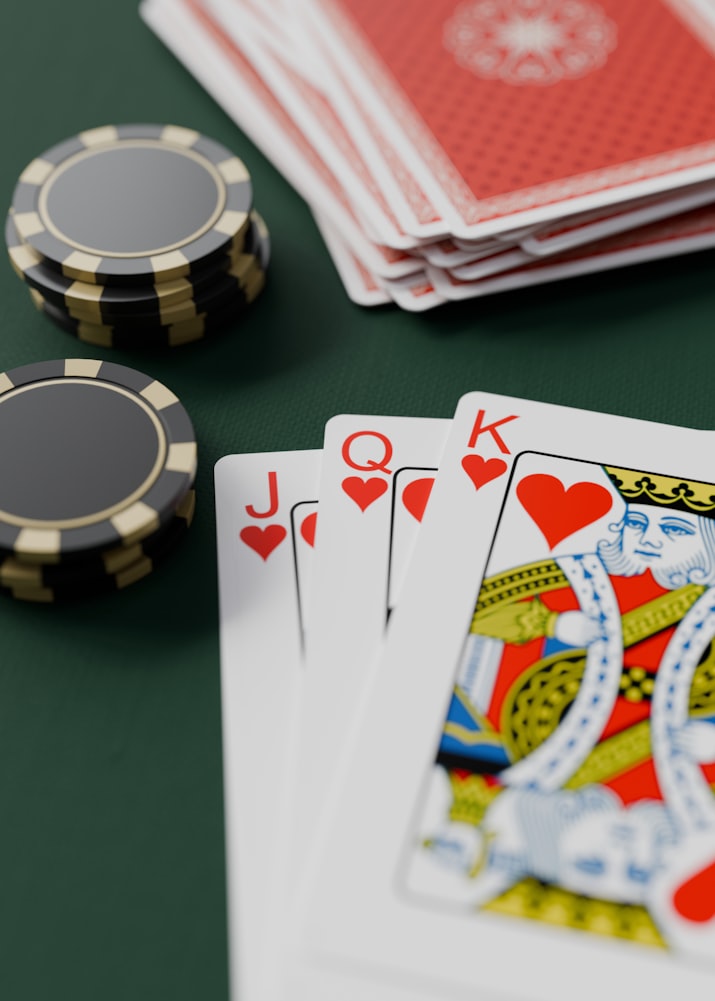
This psychological principle, known as the “reciprocity norm,” suggests that individuals feel obligated to return favors. In the casino context, the more players receive in terms of rewards, the more likely they are to continue playing, as they want to reciprocate the generosity of the establishment. This dynamic fosters a loyalty loop, whereby players repeatedly return to the casino, increasing the likelihood of significant spending over time.
Furthermore, the excitement generated by these rewards can evoke feelings of anticipation and thrill. When players know that they could receive a bonus just for participating, it makes the gaming experience feel more engaging and worthwhile. This ongoing relationship between players and casinos is underpinned by psychological principles that smartly leverage human behavior, ensuring that players are consistently motivated to return.
Understanding Casino Marketing Strategies
Casinos are not only places for gaming; they are complex businesses that employ sophisticated marketing strategies grounded in psychological principles. By understanding player demographics and preferences, casinos craft tailored promotions and advertising campaigns that resonate with their target audiences. This personalized approach fosters a sense of connection with players, encouraging them to return and engage more frequently.
Additionally, casinos analyze player behavior data to optimize their offerings. By tracking gameplay and spending patterns, they identify trends that can be used to create targeted promotions, ensuring that players receive incentives that appeal to their interests. This maneuvering reflects an understanding of the psychological necessity for belonging and validation, as tailored experiences make players feel recognized and valued.
Furthermore, casinos invest in building brand loyalty through community relations and social engagement. By hosting events, concerts, and other activities, they create a sense of social belonging among players. This not only keeps individuals returning for gaming but also for the experiences that extend beyond the gaming floor, deepening their emotional connection to the establishment. As a result, casinos develop a robust, loyal customer base that translates into sustained profitability.